
The psychology driving players in the casino An exploration of behavior and strategy
The allure of casinos and the thrill of gambling
Casinos have long captivated individuals with their vibrant atmospheres, enticing games, and the promise of a life-changing win. The psychology behind this allure lies in the thrill of uncertainty and the inherent human attraction to risk. When players enter a casino, they are immediately enveloped by sights and sounds designed to stimulate excitement. The bright lights and celebratory noises from slot machines create an environment that reinforces the potential for immediate gratification, compelling players to engage further. For those interested in online gaming, a visit to https://starport420.online/ can provide a similar experience.
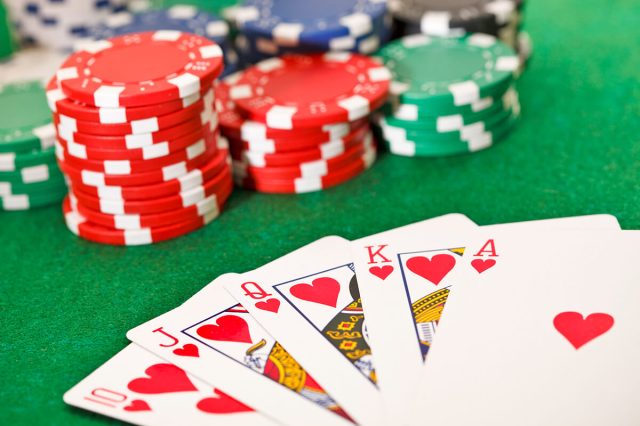
The excitement surrounding the idea of winning often outweighs the realities of losing. This phenomenon is known as the ‘gambler’s fallacy,’ where individuals believe that past outcomes influence future results. For instance, a player who has lost several times may feel that their chances of winning are increasing. This cognitive bias can lead to a cycle of continued gambling, where the hope of a big win overshadows the actual probabilities at play.
Moreover, social interactions within casinos enhance this allure. Players are often surrounded by fellow gamblers, creating a communal atmosphere that can boost the experience. The idea of camaraderie in shared excitement fosters a sense of belonging, making gambling not just a solitary activity but a social event. This combination of psychological factors contributes significantly to why individuals feel drawn to casinos and the behaviors they exhibit once they arrive.
The psychology of risk-taking
Understanding the psychology of risk-taking is essential to unraveling why players engage in gambling activities. For many, the thrill of taking risks is not merely about the potential for financial gain; it taps into deeper psychological needs, such as the desire for excitement and adventure. This intrinsic motivation drives individuals to place bets, often exceeding their financial limits. The appeal of risk-taking can be associated with personality traits like sensation-seeking, which is characterized by a tendency to seek novel and intense experiences.
Another aspect is the dichotomy of loss aversion, where the pain of losing is felt more intensely than the pleasure of winning. This phenomenon can lead players to chase losses, a behavior commonly seen in gamblers trying to recoup their investments. This relentless pursuit can be detrimental, leading individuals to spend beyond their means while reinforcing the cycle of gambling addiction. Therefore, understanding how risk affects decision-making can illuminate the compulsive behaviors often observed in players.
Casinos often use this psychology to their advantage through game design and marketing strategies. For example, games are structured to provide intermittent rewards, heightening anticipation and prolonging engagement. The illusion of control, where players believe they can influence the outcome through skill or strategy, also plays a critical role in enhancing the gambling experience. By capitalizing on these psychological triggers, casinos maintain a constant flow of players eager to take risks in hopes of achieving their desired outcomes.
The impact of emotional states on gambling behavior
Emotional states significantly influence gambling behavior, with positive emotions often enhancing a player’s willingness to take risks. When individuals are in a good mood, they are more likely to gamble, believing they will continue their winning streak. This is often exacerbated by cognitive distortions, where players attribute wins to their skill rather than the luck involved in many games. This belief can inflate their confidence, leading to more significant bets and, consequently, increased losses.
Conversely, negative emotions can also lead to problematic gambling behaviors. Individuals dealing with stress, anxiety, or depression may turn to gambling as an escape. This behavior can create a vicious cycle, where gambling offers temporary relief, but subsequent losses lead to increased emotional distress. Such players often engage in harmful gambling behaviors as a means of coping, demonstrating the interplay between emotions and decision-making processes in a casino setting.
Furthermore, casinos often utilize these emotional triggers to their advantage. They create environments that evoke feelings of excitement and celebration, encouraging players to gamble more. Promotions, such as happy hours and themed events, enhance the emotional atmosphere, enticing players to lose themselves in the moment. By understanding the impact of emotions on gambling behavior, casinos can tailor experiences that maximize engagement and, ultimately, revenue.
Strategies employed by gamblers
Many players approach gambling with various strategies, often believing that they can influence the outcome through calculated decision-making. Popular strategies, such as the Martingale betting system, rely on the idea that players can mitigate losses by doubling their bets after each loss. While appealing, such strategies can be dangerous, often leading to significant financial losses and emotional distress when players hit their limits or run out of funds.
Another common approach is the use of bankroll management, where players set strict limits on how much they are willing to spend. This strategy can be beneficial in controlling gambling behavior and mitigating potential losses. Players who practice effective bankroll management are more likely to enjoy their experience without succumbing to the pressures of chasing losses or exceeding their financial means.
However, despite the presence of strategies, the element of chance remains a dominant factor in gambling. Even the most well-thought-out plans can fall short, as games like slots and roulette are ultimately governed by randomness. This unpredictability can lead to frustration among players, prompting them to abandon their strategies in favor of impulsive decisions. The balance between strategy and chance is a complex aspect of gambling behavior that underscores the psychological challenges players face in casinos.

Pinco Casino: A modern gaming experience
Pinco Casino has emerged as a premier online gaming platform, catering to a diverse audience of Canadian players. With over 5,000 games available, including slots, table games, and live dealer options, the platform successfully combines excitement with accessibility. Players can engage with various games from the comfort of their homes, making gambling a more convenient yet still thrilling experience. In terms of user experience, Pinco Casino Canada stands out with its intuitive interface and player-friendly options.
Safety and security are paramount at Pinco Casino, which employs advanced measures to protect player data and financial transactions. Licensed in Curaçao, the casino offers a reliable environment for players to explore their gambling interests without unnecessary concerns. Additionally, the platform supports user-friendly payment options in Canadian dollars, streamlining the deposit and withdrawal processes for players.
Beyond offering a vast array of games, Pinco Casino emphasizes the importance of responsible gambling. With tools to help players manage their gambling habits, the platform aims to promote a healthy gaming environment. The combination of entertainment and player protection positions Pinco Casino Online as an attractive option for both new and experienced gamblers, demonstrating an understanding of the psychological elements that drive players in the casino.